What's in This Guide
- Documents: Passport, OCI Card or e-Visa
- Keep Your Indian Phone Number Alive
- Paying for Things: UPI, Cards and Cash
- When Indian Websites Will Not Cooperate from Abroad
- Booking Trains and Domestic Flights
- Plan Around Seasons and Festivals
- Pilgrimages and Special Permits
- When a Local Agent Makes Sense
- Frequently Asked Questions
A trip home to India is rarely a simple holiday. There are relatives to visit, a wedding or a festival to plan around, perhaps a pilgrimage that has been on the list for years, and a surprising amount of paperwork and technology to sort out before any of it can happen. Much of India now runs on mobile numbers, one-time passwords and instant payments, which is wonderful when you live there and occasionally maddening when you do not.
This checklist covers what NRIs and overseas citizens of Indian origin most often get stuck on, from documents and SIM cards to train bookings and the websites that behave differently when you open them from abroad.
Documents: Passport, OCI Card or e-Visa
Indian passport holders simply need a passport that is valid for the trip. If you have taken another citizenship, you travel either with an OCI card alongside your foreign passport or with a visa, usually the e-Tourist Visa, applied for online before departure. OCI cardholders should make sure their card details are updated for their current passport, since airlines check this at boarding and a mismatch is one of the most common reasons families get held up at the airport.
Carry copies of everything, both printed and on your phone, and check the children's documents separately, since their passports expire sooner than adults'.
Keep Your Indian Phone Number Alive
More than anything else, your Indian mobile number decides how smoothly the trip goes. Banks, payment apps, railway and airline bookings and countless shopping sites send one time passwords by SMS, and many will only send them to an Indian number. If you still have an Indian SIM, keep it recharged while you are abroad, because numbers left idle for long periods are deactivated and eventually reassigned to someone else.
If you no longer have one, you can buy a prepaid SIM on arrival at major airports with your passport and visa or OCI documents, or activate an international roaming pack from your overseas provider for the first few days. Remember that a roaming number will not receive OTPs from services that insist on an Indian number.
Planning a Visit Home That Includes a Pilgrimage?
Swastik Holiday can handle the India-side bookings, permits and local logistics while you focus on family time.
Talk to Our Travel Desk →Paying for Things: UPI, Cards and Cash
India has moved to UPI payments faster than almost any country, and small shops, autos and street stalls often prefer a QR code to cash. NRIs with NRE or NRO accounts can now use UPI with an international mobile number from a growing list of countries, which makes daily life far easier, and foreign visitors can use prepaid options such as UPI One World at selected airports.
International credit cards work in hotels, malls and larger restaurants, but some Indian websites and smaller merchants accept only domestic cards, so a booking that fails at the payment step is common. Tell your bank you are travelling, carry some cash for smaller towns and temples, and avoid exchanging money at the airport if you can wait.
When Indian Websites Will Not Cooperate from Abroad
Planning from overseas brings its own frustrations. Some Indian government portals, utility sites and booking pages block or slow down connections from foreign networks as a security measure, others show different prices or options to overseas visitors, and a few simply time out. It is rarely personal, but it can derail an evening of planning.
When a portal refuses to load, some NRIs use an India proxy server, which routes the browser through an Indian address so the page opens as it would at home. It is useful for reading timetables, checking an existing booking or downloading a document. It does nothing for OTPs, which still go to your Indian number, or for card payments, which are judged on the card itself, and it is best kept away from banking logins, where an unfamiliar route can trigger a security hold on the account.
Booking Trains and Domestic Flights
Indian Railways bookings open sixty days before the journey, and popular routes around festivals and school holidays fill within minutes of opening. NRIs can register on IRCTC with an overseas mobile number and verify by email, and foreign passport holders can use the foreign tourist quota on many long distance trains. Recent rule changes tie online Tatkal bookings to Aadhaar-verified accounts, which rules them out for many overseas travellers, so book regular tickets as early as you can or ask a local agent to help.
For domestic flights, compare fares in rupees on the airlines' Indian websites with what you are quoted abroad, since the two can differ. Leave generous connection times when switching from an international flight to a domestic one, especially with elderly parents or plenty of luggage.
Plan Around Seasons and Festivals
Diwali, the Christmas and New Year period and the summer school holidays are the busiest times to travel within India, and prices for flights and hotels rise sharply. The monsoon, roughly June to September in most regions, brings green landscapes and lower hotel rates, but also landslides in the hills and disrupted schedules on the coast. If your dates are flexible, the months either side of the peak usually give the best mix of weather and availability.
Pilgrimages and Special Permits
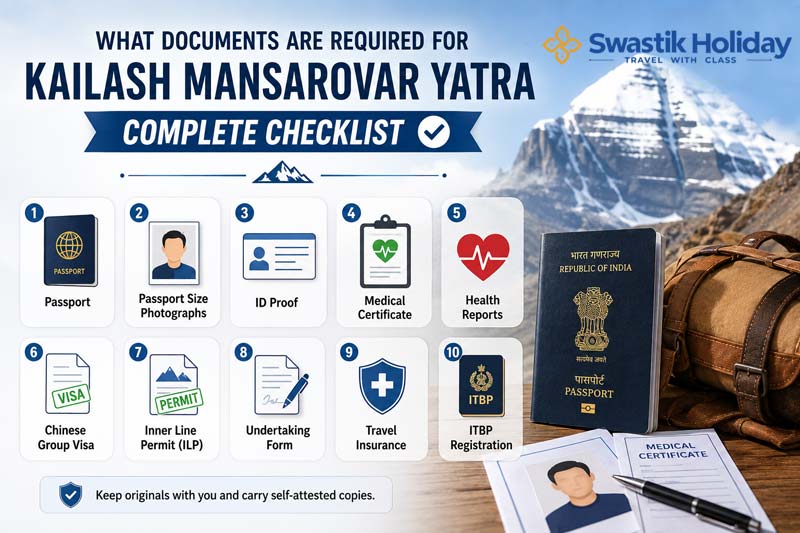
Many NRIs combine a family visit with a yatra, and several pilgrimages have their own rules. The Char Dham circuit in Uttarakhand and the Amarnath Yatra require advance registration, and Amarnath also needs a medical certificate. The government-organised Kailash Mansarovar Yatra is open only to Indian passport holders, so NRIs who have taken foreign citizenship, including OCI cardholders, usually travel with private operators through Nepal. Permits, fitness requirements and group sizes change from season to season, so check the current rules well before booking — our guides on choosing the best route for Kailash Mansarovar Yatra and how to register for the Yatra cover this in more detail.
When a Local Agent Makes Sense
Booking everything yourself from abroad is possible, but it is often where most of the stress comes from. A reliable travel agency in India can hold train and hotel bookings, pay local suppliers in rupees, arrange drivers to meet you at the airport and handle permits for pilgrimages. For multi-generation family trips, where one missed connection affects everyone, that support is often worth more than the fee.
Frequently Asked Questions
1. Can NRIs book Indian train tickets from abroad?
Yes. IRCTC accepts registrations with overseas mobile numbers verified by email, and bookings open sixty days before the journey.
2. Do NRIs need an Indian SIM card?
It helps a great deal, because many Indian services send one time passwords only to Indian numbers. Keep your old number active or buy a prepaid SIM on arrival.
3. Can OCI cardholders join the Kailash Mansarovar Yatra?
Not the government-organised route, which is limited to Indian passport holders. OCI cardholders usually travel with private operators via Nepal.
4. Can NRIs use UPI in India?
Yes, if they hold an NRE or NRO account linked to an international mobile number from one of the supported countries.