What's in This Guide
- Introduction
- Varanasi Seasons at a Glance
- October to March: A Popular Time for Sightseeing
- April to June: Travelling During Summer
- July to September: Understanding the Monsoon Season
- When Is the Best Time for Ganga Aarti?
- Explore Sarnath and Varanasi's Cultural Attractions
- How Many Days Should You Spend in Varanasi?
- Plan Your Varanasi Journey with Swastik Holiday
Know the best time to visit Varanasi, with seasonal weather, religious festivals, sightseeing, famous Ganga Aarti. Planning a pilgrimage or cultural getaway? Swastik Holiday helps you decide proper travel dates and organize a comfortable journey through the sacred ghats, historic temples and vibrant streets of Kashi.
Introduction
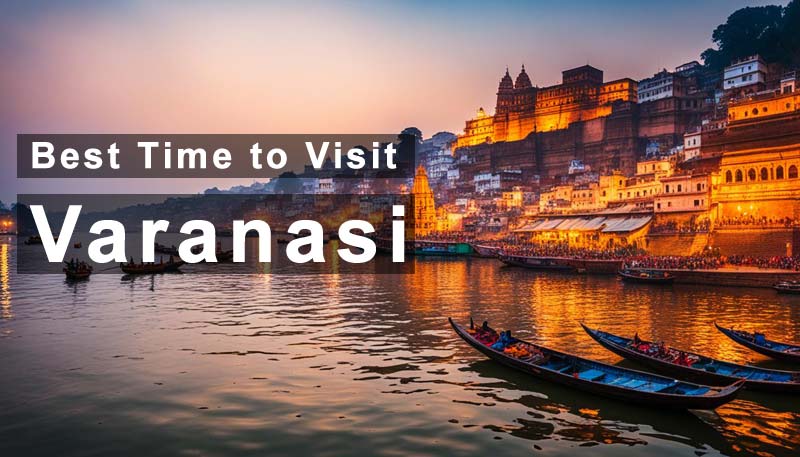
Varanasi, Kashi or Banaras is one of the oldest cities in India with one of the major destinations for spiritual travellers. Famous for Kashi Vishwanath Temple, historic ghats, Ganga Aarti (in the evenings), traditional silk weaving and centuries old religious customs. Uttar Pradesh on the banks of the Ganges River.
Every season there’s a new experience. Winter is nice for sightseeing, but the heat in the summer is ferocious. The monsoon transforms the riverfront as the weather and water levels change. Religious festivals bring a different air to the city, with people of faith coming from all over India and abroad.
Understanding the seasons will help you to know when to go, what to do and how long to plan your trip for. With proper planning, Swastik Holiday helps you plan your visit to Varanasi according to your interest, comfort and travel budget.
Varanasi Seasons at a Glance
| Season | From this guide |
|---|---|
| October to March: A Popular Time for Sightseeing | The months of October to March are deemed as the comfortable time to explore Varanasi. |
| April to June: Travelling During Summer | It can be very hot in Varanasi in summer, particularly in May and June. |
| July to September: Understanding the Monsoon Season | The monsoon makes Varanasi even more humid and wet. |
October to March: A Popular Time for Sightseeing
The months of October to March are deemed as the comfortable time to explore Varanasi. Temperatures are often more conducive to walking through the old city, visiting temples, discovering local markets and spending time along the Ganges.
October and November are festive months and December and January can be cold mornings, cold evenings and occasional fogs. February and March are often good months for outdoor sightseeing, although temperatures can vary.
This season is particularly good for those travellers who want to hit several attractions in one visit.
You can see:
- Kashi Vishwanath Temple Visit
- Exploring the ghats on the Ganges
- Witnessing the evening Ganga Aarti
- Going out on the boat (weather permitting)
- Venture into the ancient lanes of Banaras
- Tour to Sarnath and its Buddhist heritage
- Buying local handicrafts and Banarasi silks
This is a busy travel season so it is advisable to book your accommodation and transportation in advance especially if your visit coincides with festivals or public holidays.
April to June: Travelling During Summer
It can be very hot in Varanasi in summer, particularly in May and June. The heat of the day can be intense and long walks and outdoor sightseeing can be unpleasant.
But summer is still an option for travellers with fixed schedules or who want to avoid the peak winter travel season.
The trick is to plan your activities with the weather. The best times to be outside are usually early morning and evening, saving the hottest part of the day for resting or indoor activities.
If you’re planning a summer visit, consider these suggestions:
- Drink plenty of water and take drinking water.
- Light-weight and breathable clothes.
- Use a sunscreen when outside.
- Choose accommodation with good air conditioning.
- Do take time for breaks between temple visits.
- Avoid walking during the hottest part of the afternoon.
Children and senior travellers with families need to exercise extra caution in planning outdoor activities. Swastik Holiday can make a very relaxed sightseeing plan as per the need of the group.
July to September: Understanding the Monsoon Season
The monsoon makes Varanasi even more humid and wet. The showers could provide some relief from summer heat, but could also cause problems for outdoor plans and riverfront activities.
Water levels in the Ganges can rise during this period and local conditions may make certain ghats or riverside areas inaccessible. Take boat trips only if they are allowed by licensed operators and if the operators say it is safe to do so.
Monsoon travel may be of interest to visitors who have limited flexibility in their dates, or those who are open to modifying their plans based on the weather.
If you are traveling during these months, keep your schedule flexible, carry rain protection, wear good grip footwear and follow local safety advice. Don't expect all outdoor activities to go as planned.
When Is the Best Time for Ganga Aarti?
The evening Ganga Aarti at Dashashwamedh Ghat is among the most popular attractions in the city and can be attended throughout the year, depending on local arrangements.
The cooler months are good outdoor activity times and summer evenings can be nice for escaping the heat of the day. The weather and river conditions during the monsoon season can affect your plans outdoors.
So come early, plan on walking and listening to crowd management. Come early to the riverfront to make the most of your visit. Depending on conditions, it may be possible to view from a boat, but that does not guaranty an uncrowded experience.
Make your evening schedule a little flexible so that you can enjoy the ceremony without rushing over from some other attraction.
Explore Sarnath and Varanasi's Cultural Attractions
Sarnath, an important historical destination near Varanasi, is associated with the Buddha’s first sermon. Its archeological remains, monuments and museums present another perspective of India’s spiritual heritage.
The cooler months are generally more comfortable for exploring the outdoor spaces. Come early in the summer to avoid the afternoon heat.
According to the season, you can explore the traditional markets of Varanasi, Banarasi textile shops, old localities and food joints. Your schedule should just take into consideration the weather and the amount of walking.
How Many Days Should You Spend in Varanasi?
The best length of time will depend on your interests and when you are traveling.
A short visit can cover the main temples, the riverfront and the evening Aarti. Longer stays allow for Sarnath, local markets, cultural exploration and a break in between activities.
Festival visits might need a bit more planning with crowds and transport delays. Families and senior citizens may also want to take the extra time to avoid a tiring schedule.
When comparing Varanasi holiday packages, don't just focus on the number of attractions listed; instead, consider the pace of sightseeing, the accommodation, the transportation and the flexibility offered.
Plan Your Varanasi Journey with Swastik Holiday
Swastik Holiday can assist you in planning a Varanasi or Kashi trip based on your desired travel dates, accommodation type, group size, sightseeing preferences, and budget.
Your itinerary can be designed around your priorities, whether temple darshan, a major festival, the experience of the Ganges or the city’s cultural heritage.
When requesting a quote, tell us your favourite season and travel needs. Advance booking is especially useful during popular travel periods, though services and accommodation remain subject to availability.