What's in This Guide
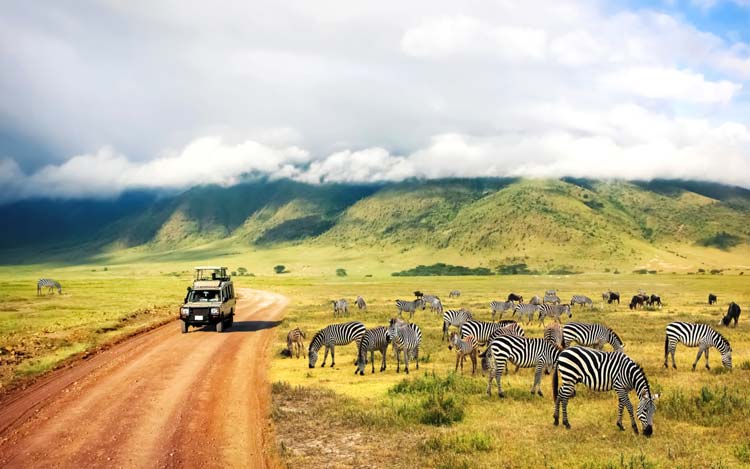
For most Indian travelers, Africa still feels like a faraway place that needs years of planning. It really doesn't. A direct flight from Mumbai to Nairobi takes about seven and a half hours. The food at most lodges is closer to home than you'd expect, the visa is online, and the dollar prices on the ground are not as scary as the brochures make them look. What sits at the center of any Kenya safari is one event: the Great Migration. Roughly 1.5 million wildebeest moving across the plains in a yearly loop. The catch is that this thing runs on rain and instinct, not on dates printed in a brochure. So if you actually want to see it, you have to plan around the herds, not the other way around.
A Step-by-Step Guide to Planning Your Kenya Safari
I've worked with Kenyan operators for several years and helped travelers from Mumbai, Pune, and Bengaluru piece together their first safari. What follows is the order I'd suggest you do things in.
Step 1: Confirm Kenya Works for Your Style of Travel
While many travelers start their search with generic Africa tours, those looking for specialized arrangements often find that booking dedicated Masai Mara packages from India ensures flight connections and dietary preferences like Jain or Veg meals are handled cleanly from the start.
A few practical points before you commit:
Visa: Indian passport holders need to apply for the Kenyan eTA online at etakenya.go.ke. The fee is USD 30 plus a small processing charge. It usually clears in three to five business days, so don't leave it for the last week.
Flights: Kenya Airways runs direct from Mumbai to Nairobi. From Delhi or other cities, you'll usually transit through Doha, Dubai, or Addis Ababa. Round-trip economy hovers around USD 700 to USD 1,100 depending on the season.
Food: This is the question I get most often. Major lodges in the Mara, like Sarova Mara, Mara Serena, Keekorok, and Mara Sopa, have Indian-trained kitchen staff who can prepare proper vegetarian meals. Many can manage strict Jain food with two to three weeks' notice. Don't assume; tell your operator clearly when you book.
Yellow fever certificate: If you're transiting via certain African airports, you may be asked to show one. Get it done at any authorized vaccination center in your city before you fly.
Step 2: Pick Your Migration Window Carefully
The crown jewel of the Kenyan experience is one of the Seven Wonders of the World. If you're planning your trip between July and October, you'll want to time your visit to see the dramatic wildebeest migration, where millions of animals cross the Mara River in a life-and-death struggle that is genuinely a once-in-a-lifetime sight.
Inside that window, the herds don't behave the same way every month:
- Late July: First herds arrive from Tanzania. Crossings start but are scattered.
- August: Peak crossing season. Best odds, biggest crowds, highest park fees.
- September: Still excellent. Slightly fewer vehicles. Many guides quietly prefer this month.
- Early October: Herds begin moving back south. Crossings slow, but the plains stay full.
Here's a piece of recent context that rarely shows up in older articles. In 2025, the short rains came late in Tanzania, which pushed the herds' main arrival back nearly three weeks. So if you book fixed dates in early August, build a buffer. Three nights in the reserve gives you a fighting chance. Four or five is much better. Migrations don't care about your return ticket.
Ready to Experience This Yourself?
Let Swastik Holiday help you plan your own trip, with expert guidance and the best local rates.
Explore Africa Tour Packages →Step 3: Don't Skip Nairobi
Before heading into the deep wilderness, don't miss the unique chance to see rhinos and lions against a backdrop of city skyscrapers at Nairobi National Park. It's the only park in the world of its kind and a perfect introduction to Kenya's wildlife.
Spending a day in Nairobi between your flights does several useful things at once. It clears your jet lag, eases you into the safari pace, gives you a strong wildlife sighting on day one, and lets your body adjust to the altitude. Most morning game drives in the park run from 6 a.m. to about 10 a.m. Add the David Sheldrick Wildlife Trust (the elephant orphanage) and the Karen Blixen House for the afternoon. Karen, the suburb, also has reliable vegetarian Indian restaurants if you need a familiar meal before the bush.
KWS updated its fee portal in 2025. Pay online at https://kwspay.ecitizen.go.ke/ before arriving. The older eCitizen URL was retired. As of 2026, Nairobi National Park charges USD 80 per non-resident adult and USD 40 per child. The official KWS site (https://www.kws.go.ke/) carries any updates if rates shift mid-year.
A Word About What Usually Goes Wrong
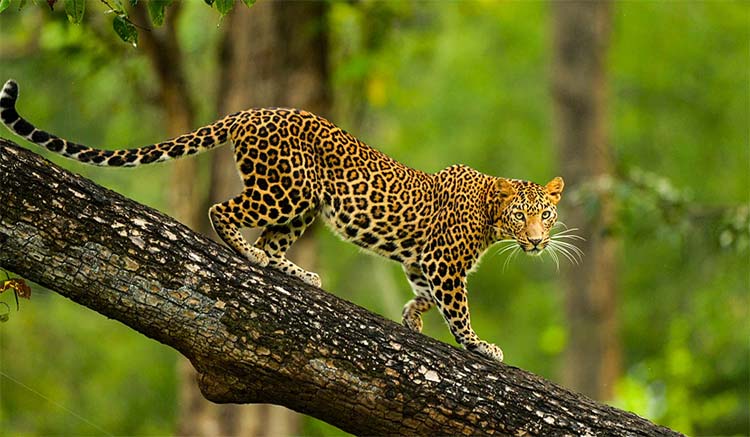
In 2023, a family of four from Ahmedabad booked four nights in the Mara for the second week of October. They were very specific about wanting Jain food, and they assumed they would see "lots of crossings" because that's what their travel agent had promised. By the time they arrived, most of the herds had already pushed south back into Tanzania. They saw plenty of resident wildlife. Lion, leopard, hippo, elephant. But the river was mostly quiet. The mother told me, almost in tears on day three, that the agent had not warned them that "October" can mean very different things from one year to the next.
I'm sharing this because it happens often enough to matter. Two simple things they could have done differently: booked the trip two weeks earlier, and asked their operator for the previous season's actual movement reports rather than the marketing version. Generic travel pages will tell you everything is "guaranteed." A real local guide will hedge a little, because nature does too.
Step 4: Park Fees, Payments, and the 12-Hour Trap
The Maasai Mara National Reserve is run by Narok County, not KWS, so its fees are paid separately. From January through June 2026, non-resident adults pay USD 100 per day. From July through December (the migration window), that doubles to USD 200 per day. Children aged 9 to 17 pay USD 50, and kids 8 and under enter free.
The trap most first-time visitors miss: Mara entry tickets are valid for 12 hours, not 24. They expire at 6 p.m. no matter when you arrived. If you're staying inside the reserve, you must exit by 10 a.m. on departure day or pay a full extra day. I've seen Indian families get charged an extra USD 200 a head simply because nobody told them. Have your operator confirm exit timing in writing.
Step 5: The Local Things Most Guides Won't Mention
Joseph, a licensed Kenyan safari guide with about ten years on the job, taught me a few things you won't find easily online:
- The Loita herds, resident wildebeest from the Loita Plains, drift into the Naboisho and Olare Motorogi conservancies in May and June, before the Tanzanian animals even arrive. Often, no other vehicles in sight.
- Conservancy stays let you do night drives and walking safaris, which the main reserve does not allow at all.
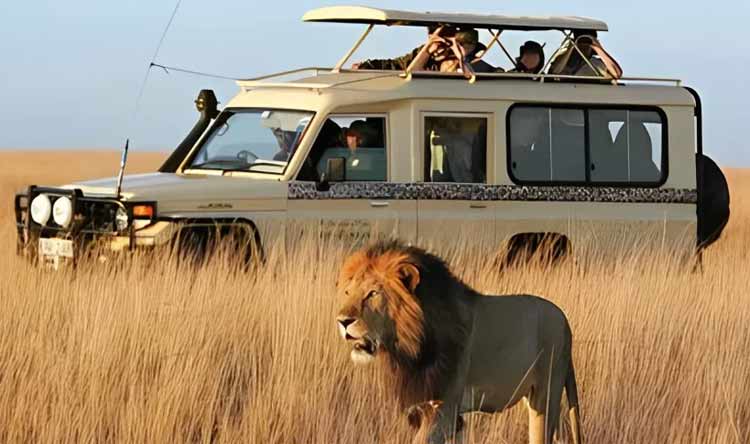
- Mornings on the open plains can drop close to 10°C, which surprises Indian travelers used to warmer weather. Pack a fleece even in August. The canvas of a Land Cruiser holds the cold.
- The strong masala chai served at most camps before the morning drive is closer to Indian roadside chai than you'd guess. Cardamom, ginger, full milk, plenty of sugar.
A small sensory note you only get on the ground: the smell of woodsmoke from the camp kitchens at dusk, mixed with damp grass and a faint mineral smell drifting in from the Mara River. It stays with you longer than the photographs.
Step 6: Book the Trip the Easy Way
If you're already comfortable with Swastik Holidays Mauritius packages or Dubai tour packages, Kenya is a natural next step in the same broader region. The team can build your migration trip around the dates you have, your dietary needs, your budget, and your pace. They'll work directly with operators on the ground so your park fees, transfers, and Indian-friendly meals are sorted before you fly.
You don't need to figure all of this out from scratch. Give them your travel window, tell them your priorities, and let them work backward from there. The plains aren't going anywhere. The herds will move when they're ready, and so should you.